
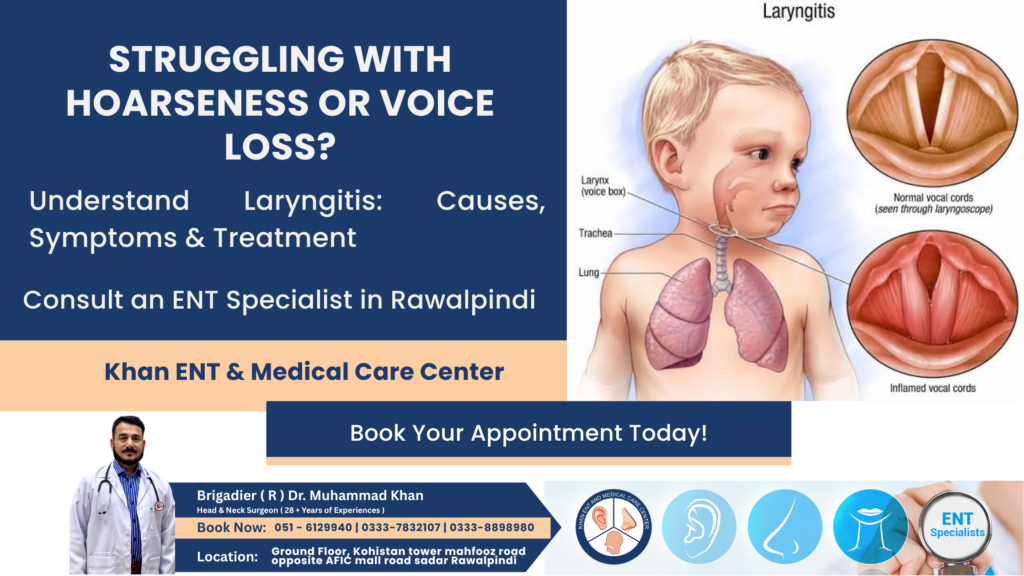
Laryngitis: Causes, Symptoms & Treatment is the definitive guide to understanding voice box inflammation, its triggers, noticeable signs, and clinical remedies. When inflammation affects the voice box, known medically as the larynx, the delicate folds of tissue that form the vocal cords swell. Healthy vocal cords open and shut smoothly, vibrating as air passes through to generate clear human speech. Swelling prevents smooth vibration, resulting in a weak, raspy, or muffled voice. Understanding Laryngitis: Causes, Symptoms & Treatment empowers individuals to identify early warnings, manage discomfort, and seek specialist care before permanent vocal cord damage occurs.
What Is Laryngitis?
Understanding Laryngitis: Causes, Symptoms & Treatment begins with recognizing the anatomical structures involved. The larynx resides at the top of the neck and houses the vocal cords. These elastic muscle bands vibrate against one another when air leaves the lungs.
When vocal folds become inflamed, sound production distorts dramatically. The pitch drops, speech becomes breathy, and total voice loss can occur. The condition presents in two primary forms:
- Acute Laryngitis: A temporary condition lasting a brief duration, typically triggered by short-lived viral infections or temporary vocal strain.
- Chronic Laryngitis: A long-lasting issue persisting beyond several weeks, often tied to environmental exposures, acid reflux, or persistent structural changes on the vocal folds.
Causes of Laryngitis
Exploring Laryngitis: Causes, Symptoms & Treatment requires categorizing the underlying triggers into infectious and non-infectious sources.
Infectious Causes
Viral pathogens represent the most widespread origin of voice box swelling. Common infectious agents include:
- Respiratory viruses associated with common colds, influenza, and adenoviruses.
- Parainfluenza viruses that trigger croup in young children.
- Respiratory syncytial virus and SARS-CoV-two infections.
- Rare bacterial pathogens such as Moraxella catarrhalis or Streptococcus species.
- Fungal infections in individuals using inhaled corticosteroids or possessing weakened immune systems.
Non-Infectious Causes
Non-infectious triggers frequently drive chronic voice box irritation. These factors include:
- Vocal Strain: Excessive shouting, singing loudly, lecturing without amplification, or prolonged talking.
- Gastroesophageal Reflux Disease: Stomach acid traveling up the esophagus into the throat, causing chemical irritation to delicate vocal tissues.
- Environmental Irritants: Exposure to tobacco smoke, secondhand smoke, chemical fumes, dust, and industrial vapors.
- Substance Use: Habitual alcohol consumption, which dehydrates throat tissues and exacerbates local inflammation.
- Vocal Cord Lesions: Benign growths such as polyps, nodules, granulomas, or malignant throat tumors.
Symptoms of Laryngitis
A foundational part of evaluating Laryngitis: Causes, Symptoms & Treatment involves identifying classic physical signs.
- Persistent hoarseness or a rough, scratchy tone.
- Weakness of voice or total voice loss.
- Dry, tickling sensation in the throat.
- Persistent urge to clear the throat.
- Dry cough or a harsh, barking cough.
- Pain or discomfort when attempting to speak.
- Mild fever and sore throat when caused by infection.
Dangerous Red Flag Symptoms
Immediate medical evaluation becomes critical if any of the following emergency signs develop:
- Severe shortness of breath or laboured breathing.
- High-pitched whistling sound during inhalation, known as stridor.
- Inability to swallow saliva, leading to unexpected drooling.
- Coughing up blood or blood-tinged mucus.
- Unexplained weight loss accompanying hoarseness.
Diagnosis and Clinical Testing
Determining the exact presentation of Laryngitis: Causes, Symptoms & Treatment requires careful medical assessment by an ear, nose, and throat specialist.
- Physical Examination: Inspection of the throat, evaluation of neck lymph nodes, and vocal quality assessment.
- Laryngoscopy: Direct or indirect visualization of the larynx using a thin, flexible scope with a light and camera. This permits direct inspection of vocal fold movement, swelling, or lesions.
- Videostroboscopy: A specialized light-flashing technique that captures vocal cord vibrations in real time to reveal subtle tissue stiffness or small nodules.
- Biopsy or Tissue Sampling: Performed if suspicious masses, persistent white patches, or chronic structural irregularities appear during laryngoscopy.
Comprehensive Treatment and Management
Managing Laryngitis: Causes, Symptoms & Treatment depends on whether the underlying issue is acute or chronic.
Self-Care Measures
- Complete Vocal Rest: Speak as little as possible. Avoid shouting, singing, or whispering, as whispering places greater strain on inflamed vocal cords than normal speech.
- Proper Hydration: Drink abundant water throughout the day to keep throat mucous membranes moist.
- Steam Inhalation: Inhale warm, humidified air using a personal steam inhaler or hot shower.
- Avoid Throat Decongestants: Over-the-counter decongestants dry out throat tissue, worsening vocal fold irritation.
- Avoid Tobacco and Alcohol: Eliminate exposure to smoke and alcohol to allow tissue healing.
Medical Therapies
- Corticosteroids: Prescribed in specific acute situations, such as professional vocal emergency needs or severe swelling, to rapidly reduce vocal cord inflammation.
- Proton Pump Inhibitors: Prescribed when acid reflux irritates the larynx.
- Antibiotics or Antifungals: Reserved strictly for confirmed bacterial or fungal infections. They offer zero benefit for typical viral laryngitis.
- Voice Therapy: Directed by speech-language pathologists to teach healthy vocal techniques, reduce vocal strain, and improve speaking posture.
Why Choose Prof. Brig. (R) Dr. Muhammad Khan in Rawalpindi & Islamabad
For residents across Rawalpindi and Islamabad seeking expert care for Laryngitis: Causes, Symptoms & Treatment, consulting a recognized specialist ensures accurate diagnosis and effective management.
Prof. Brig. (R) Dr. Muhammad Khan at Khan ENT & Medical Care Center in Rawalpindi stands out as a premier authority in otolaryngology. Patients from the twin cities trust his clinic for several compelling reasons:
- Unmatched Clinical Expertise: As a retired Brigadier and distinguished Professor of ENT, Dr. Khan brings decades of high-level military and academic medical leadership to patient care.
- Advanced Diagnostic Capabilities: Khan ENT & Medical Care Center is equipped with modern diagnostic endoscopes and laryngoscopic technology to evaluate vocal cord disorders accurately.
- Comprehensive Ear, Nose, and Throat Services: From simple viral hoarseness to complex voice disorders, vocal cord polyps, and chronic throat issues, patients receive targeted care tailored to their needs.
- Trusted Local Practice: Situated conveniently for residents of Rawalpindi and Islamabad, the clinic provides accessible medical care supported by detailed clinical evaluations.
Frequently Asked Questions
What is the fastest way to recover from laryngitis?
Resting your voice completely, drinking plenty of water, using a room humidifier, and avoiding whispering or throat clearing offer the fastest recovery path for acute viral voice box inflammation.
Is whispering better than talking when experiencing voice loss?
No. Whispering forces the vocal cords to squeeze tightly together, placing more mechanical stress on inflamed tissues than speaking softly in a natural tone.
How long does acute laryngitis typically last?
Most acute viral cases resolve naturally within a week to ten days once the underlying upper respiratory infection clears.
Can acid reflux cause voice hoarseness without heartburn?
Yes. Silent reflux occurs when stomach acid reaches the larynx without causing typical chest burning, leading to chronic morning throat clearing and hoarseness.
When should a adult consult an ENT specialist for voice changes?
An evaluation by an ear, nose, and throat doctor is strongly recommended if voice hoarseness persists continuously for more than two to three weeks.
Are antibiotics required to treat laryngitis?
In the vast majority of cases, antibiotics are unnecessary because viral infections or vocal misuse drive the swelling. Antibiotics only help rare bacterial infections.
Why do children develop a barking cough with voice loss?
Children have smaller airways. Swelling of the larynx and windpipe leads to croup, which produces a characteristic seal-like barking cough and noisy breathing.
Can smoking cause permanent damage to the vocal cords?
Yes. Chronic exposure to tobacco smoke causes persistent vocal cord swelling, polyp formation, tissue scarring, and increases the risk of laryngeal cancer.
How does steam inhalation assist throat healing?
Steam provides direct moisture to the upper respiratory tract, soothing irritated mucosal membranes and thinning sticky secretions around the voice box.
What diagnostic procedure lets doctors view the vocal cords?
Laryngoscopy allows an ENT doctor to look directly at the vocal cords using a tiny camera or mirror to check for swelling, nodules, or mobility issues.