
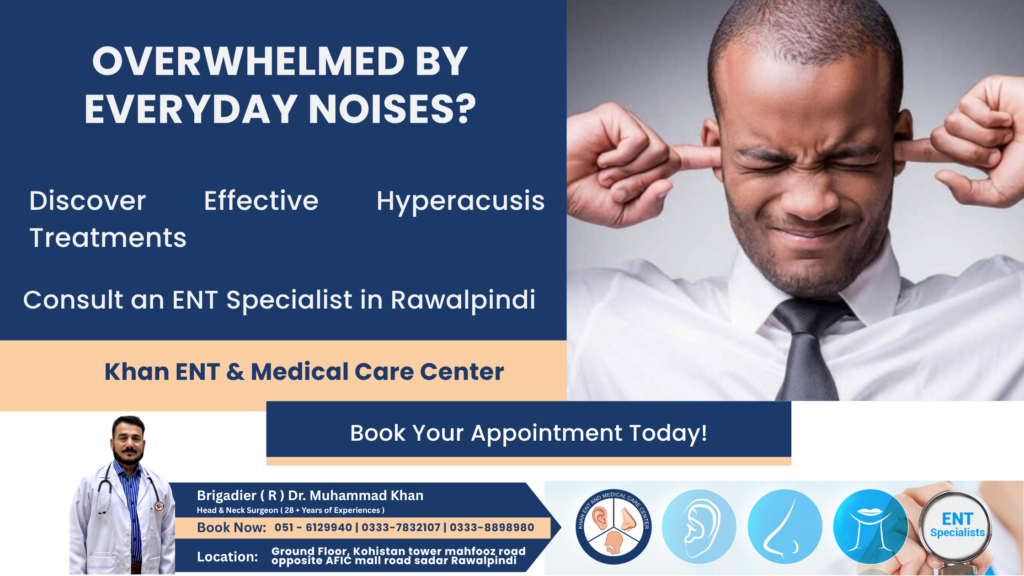
Hyperacusis: Causes, Symptoms & Treatment is a critical topic for anyone experiencing an abnormal sensitivity to everyday sounds that most people find completely unremarkable. When normal environmental noises—such as running water, clinking dishes, or background conversation—start sounding unbearably loud or painful, you may be suffering from hyperacusis. This condition, often referred to as decreased sound tolerance, distorts how the brain and inner ear process auditory signals, transforming gentle, routine soundscapes into overwhelming sources of distress.
Understanding the complex mechanisms behind sound sensitivity is the first step toward reclaiming peace of mind. While living with heightened auditory sensitivity can feel isolating, modern otolaryngology offers targeted management strategies to help retrain the auditory system, reduce discomfort, and restore everyday quality of life.
Understanding Hyperacusis and How It Affects Hearing
Hyperacusis is a specialized hearing disorder characterized by an increased sensitivity to everyday sounds. Unlike standard hearing loss, where sounds become muffled or difficult to perceive, hyperacusis makes normal volume levels feel drastically amplified. The auditory dial feels stuck at maximum volume, forcing the brain to interpret harmless acoustic vibrations as intense, intrusive noise.
This condition often occurs alongside tinnitus, a ringing or buzzing sensation in the ears. However, hyperacusis can also exist independently in individuals with otherwise normal hearing thresholds. The constant strain of processing elevated noise levels frequently leads to emotional distress, anxiety, and social withdrawal as individuals attempt to protect themselves from ordinary acoustic environments.
Causes of Hyperacusis
The precise mechanisms behind decreased sound tolerance are complex, but clinical research points to several potential triggers and underlying biological pathways.
Auditory Nerve and Inner Ear Damage
A leading theory involves the specialized nerve cells in the inner ear. Research highlights that type II afferent neurons—unmyelinated nerve fibers connected to outer hair cells in the cochlea—act as pain sensors within the auditory system. When hair cells are stressed or damaged, they release chemical signals like adenosine triphosphate, which overexcites these nerve pathways. If these pain-sensing fibers become hypersensitive, they trigger pain responses even when exposed to safe, moderate sound levels.
Exposure to Loud Noises
Acoustic trauma remains one of the primary triggers for sound sensitivity. This can occur through:
- Sudden Acoustic Trauma: Brief, explosive sounds such as fireworks, gunshots, or sudden equipment blasts.
- Prolonged Noise Exposure: Chronic exposure to high decibel environments, commonly seen among musicians, industrial workers, or frequent concertgoers.
Associated Medical and Neurological Conditions
Hyperacusis frequently co-occurs with various systemic, neurological, and structural health conditions, including:
- Neurological Factors: Migraines, autism spectrum conditions, post-traumatic stress, and facial nerve disorders like Bell’s palsy or Ramsay Hunt syndrome.
- Ear-Specific Disorders: Ménière’s disease, superior canal dehiscence syndrome, middle ear infections, and temporomandibular joint dysfunction due to shared nerve networks near the jaw joint.
- Systemic Illnesses and Medications: Conditions like Lyme disease or exposure to ototoxic medications that impact inner ear structures.
Symptoms of Hyperacusis
The primary symptom of hyperacusis is perceiving everyday, moderate sounds as painfully loud or unbearable. Beyond heightened sound volume, individuals frequently report a wide range of physical and emotional symptoms.
Physical Manifestations
- Ear Pain and Pressure: A persistent ache, burning sensation, or feeling of fullness in the ears similar to the sensation experienced during altitude changes.
- Balance Disturbances: Occasional dizziness or spatial disorientation due to vestibular irritation.
- Co-Occurring Tinnitus: Persistent ringing, buzzing, or hissing sounds accompanying sensitive auditory perception.
Emotional and Behavioral Impact
- Phonophobia and Anxiety: A heightened fear of sound exposure that creates persistent apprehension before entering public spaces.
- Social Isolation: Avoiding family gatherings, restaurants, or work settings to eliminate unpredictable noise triggers.
- Sleep Disturbances: Difficulty falling or staying asleep due to heightened nervous system arousal.
The Four Types of Hyperacusis
Clinicians often categorize sound sensitivity into distinct categories based on how symptoms primarily manifest:
- Loudness Hyperacusis: Moderate sounds are perceived as excessively amplified and uncomfortably loud.
- Pain Hyperacusis: Sound exposure triggers immediate or delayed physical pain in and around the ears.
- Annoyance Hyperacusis: Specific sounds provoke intense irritation, emotional discomfort, or frustration.
- Fear Hyperacusis: The anticipation of sound causes severe anxiety, driving protective behaviors and avoidance.
Diagnosis and Evaluation
Accurately diagnosing hyperacusis requires a comprehensive evaluation by an experienced Ear, Nose, and Throat specialist or audiologist.
The diagnostic workflow typically includes:
- Comprehensive Audiologic Evaluation: Assessing overall hearing health across frequencies to check for underlying hearing loss.
- Loudness Discomfort Level Testing: Measuring the specific thresholds at which various sound frequencies become uncomfortably loud.
- Tympanometry and Imaging: Testing eardrum function and utilizing imaging scans to rule out structural inner ear defects or facial nerve issues.
- Medical History and Questionnaires: Evaluating symptom progression, lifestyle impacts, and potential underlying medical causes.
Management and Treatment Options
Although there is no single universal cure, structured management protocols can retrain the auditory system, lower sensitivity levels, and help individuals return to normal daily routines.
Sound Therapy and Desensitization
Sound therapy uses controlled, low-level background noise—such as pink noise or customized broadband sounds—delivered through specialized sound generators. Over time, gentle sound exposure helps recalibrate the brain’s internal volume control, building sound tolerance without causing distress.
Tinnitus Retraining Therapy and Behavioral Counseling
Combining sound generators with educational counseling, Tinnitus Retraining Therapy helps habituate the nervous system to unwanted auditory inputs. Additionally, Cognitive Behavioral Therapy addresses the anxiety, stress, and avoidance behaviors associated with noise sensitivity, breaking the cycle of distress.
Judicious Use of Hearing Protection
While it is tempting to wear noise-canceling headphones or earplugs constantly, over-protecting the ears in quiet or normal environments can actually increase sound sensitivity over time. Ear protection should be reserved strictly for genuinely hazardous noise environments.
Why Patients in Rawalpindi & Islamabad Trust Prof. Brig. (R) Dr. Muhammad Khan
For residents of Rawalpindi, Islamabad, and surrounding areas seeking expert evaluation for sound sensitivity and complex hearing conditions, specialized otolaryngology care is essential.
Prof. Brig. (R) Dr. Muhammad Khan at Khan ENT & Medical Care Center, Rawalpindi offers advanced diagnostic and therapeutic care for patients dealing with decreased sound tolerance, tinnitus, and inner ear disorders.
Benefits of Choosing Khan ENT & Medical Care Center:
- Extensive Clinical Expertise: Prof. Brig. (R) Dr. Muhammad Khan brings decades of specialized military and civilian ENT practice to every complex diagnostic challenge.
- Comprehensive Diagnostic Infrastructure: Advanced audiological evaluations, loudness discomfort assessments, and specialized ear examinations are performed under one roof.
- Tailored Treatment Strategies: Personalized management plans combining sound desensitization guidance, lifestyle counseling, and medical therapy tailored to each patient’s specific needs.
- Trusted Local Practice: Conveniently accessible to patients across Rawalpindi and Islamabad seeking reliable care from a renowned otolaryngologist.
Frequently Asked Questions
What is the primary focus of Hyperacusis: Causes, Symptoms & Treatment?
The main focus is identifying why everyday sounds feel overwhelmingly loud or painful, recognizing physical and emotional indicators, and applying targeted therapies like sound desensitization and behavioral counseling to restore sound tolerance.
Can hyperacusis resolve on its own over time?
Depending on the underlying cause, sound sensitivity may improve gradually, especially if triggered by temporary middle ear infections or medication side effects. However, persistent symptoms benefit significantly from structured therapy under an ENT specialist.
Is hyperacusis always accompanied by hearing loss?
No. Many individuals with decreased sound tolerance have completely normal hearing thresholds on standard audiograms, as the issue often stems from altered central auditory processing or hypersensitive nerve fibers rather than structural deafness.
How does hyperacusis differ from misophonia?
Hyperacusis involves an abnormal perception of sound volume or physical pain across a broad range of general noises, whereas misophonia involves strong emotional reactions—such as anger or disgust—triggered by specific pattern sounds like chewing or tapping.
Why shouldn’t I wear earplugs all day for hyperacusis?
Overusing earplugs in quiet or normal settings deprives the brain of normal auditory input. This sensory deprivation causes the central nervous system to turn up its internal gain, making ears even more sensitive once protection is removed.
What role does sound therapy play in recovery?
Sound therapy gradually introduces low-level, soothing background noise to the ears. Over several months, this safe acoustic exposure helps desensitize the brain’s auditory pathways and increases sound tolerance levels.
Can stress or fatigue make sound sensitivity worse?
Yes. High stress levels, fatigue, and anxiety activate the sympathetic nervous system, which can heighten auditory awareness and lower your tolerance for loud or unexpected noises.
Is surgery ever required for sound sensitivity?
Surgery is rarely necessary for general hyperacusis. It is typically considered only when sound sensitivity is directly caused by rare structural defects, such as superior canal dehiscence or specific middle ear mechanical issues.
When should I consult an ENT specialist for sound sensitivity?
You should seek an expert otolaryngology evaluation whenever everyday noises begin causing physical pain, ear pressure, significant emotional distress, or interference with work and social activities.
Why consult Prof. Brig. (R) Dr. Muhammad Khan for Hyperacusis: Causes, Symptoms & Treatment?
Prof. Brig. (R) Dr. Muhammad Khan provides expert, personalized ENT evaluations and modern desensitization strategies at Khan ENT & Medical Care Center in Rawalpindi, offering trusted, comprehensive care for patients across the Twin Cities.